USGS estimated that at least 45% of U.S. tap-water samples contained one or more PFAS, and EPA finalized the first national PFAS drinking-water standards in April 2024. If PFAS is the problem you are trying to solve, the safest buying pattern is straightforward: start with a treatment category EPA already recognizes for PFAS, then verify the specific model's documentation instead of trusting vague marketing copy.
This page is a public-source buyer's guide, not an unpublished lab-test roundup. The shortlist below leans on EPA guidance, public product documentation, and our published methodology for ranking tradeoffs.
Our Top Picks
Quick Comparison
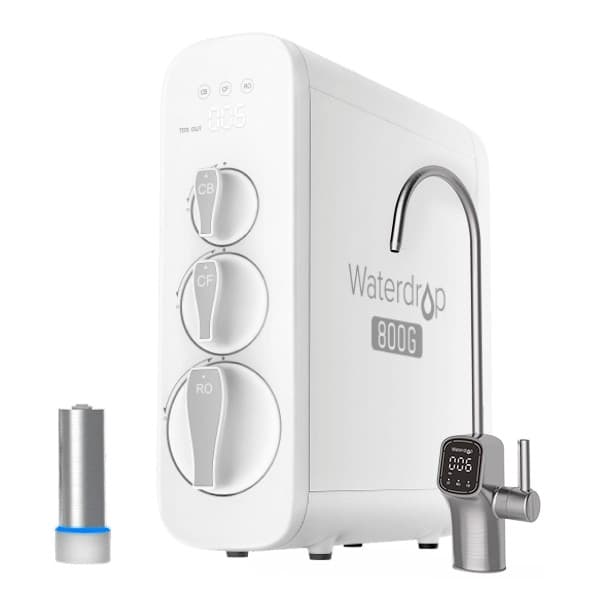
Waterdrop
Waterdrop G3P800 Reverse Osmosis System
Best for: Families wanting the purest drinking water with fast flow and UV sterilization
- Price
- $999.00
- Annual Cost
- $150/yr
- Filter Lifespan
- 6–12 months per stage (CF/CB/RO filters)
- Warranty
- 3 years
- Install
- moderate
Certifications
Contaminants Removed
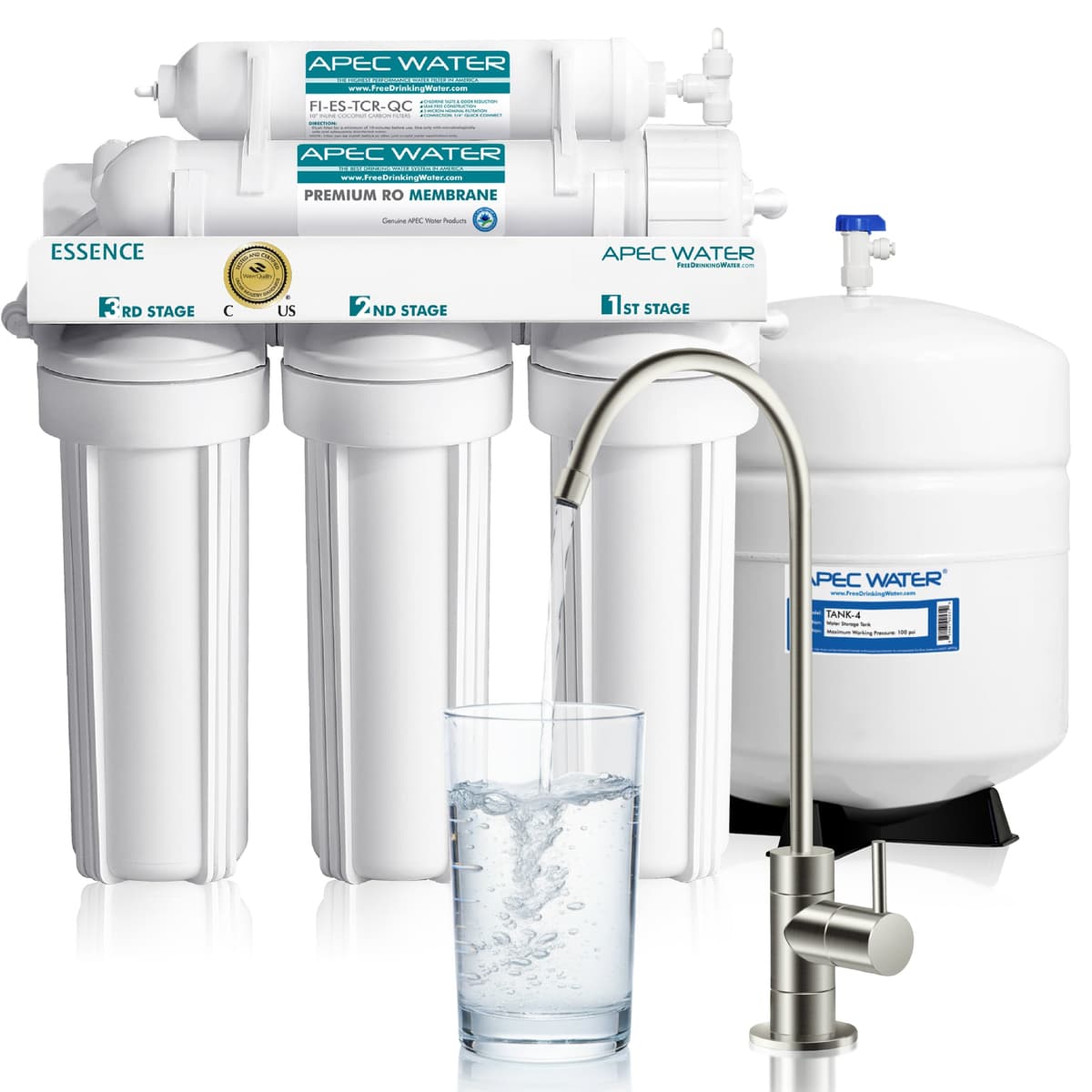
APEC
APEC ROES-50 Reverse Osmosis System
Best for: Budget-conscious homeowners wanting reliable RO filtration with low annual cost
- Price
- $199.95
- Annual Cost
- $60/yr
- Filter Lifespan
- 6–12 months (pre/post), 2–3 years (membrane)
- Warranty
- 2 years
- Install
- moderate
Certifications
Contaminants Removed
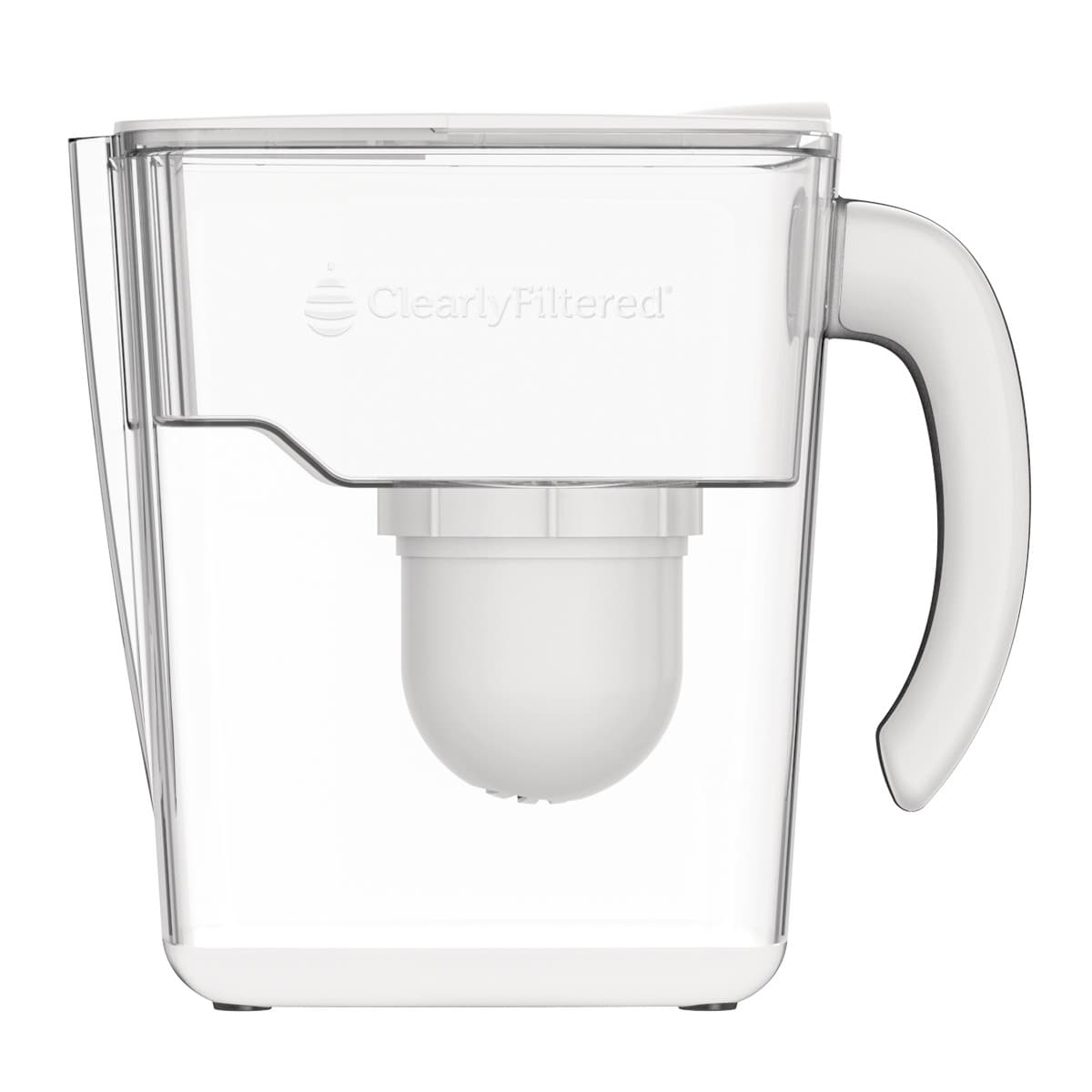
Clearly Filtered
Clearly Filtered Water Pitcher
Best for: Renters and no-install households that want a pitcher positioned for broader contaminant reduction
- Price
- $99.95
- Annual Cost
- $105/yr
- Filter Lifespan
- 100 gallons or ~4 months
- Warranty
- 1 years
- Install
- easy
Certifications
Contaminants Removed
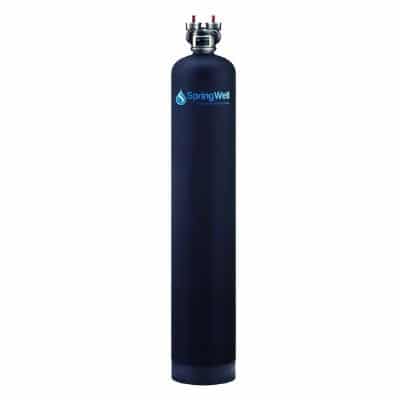
SpringWell
SpringWell CF1 Whole House Water Filter
Best for: Homeowners who want whole-home pretreatment and plan to pair it with a dedicated drinking-water filter
- Price
- $908.99
- Annual Cost
- $40/yr
- Filter Lifespan
- 1,000,000 gallons or ~10 years
- Warranty
- Lifetime
- Install
- professional
Certifications
Contaminants Removed
| Feature | Best Drinking Water Pick Waterdrop Waterdrop G3P800 Reverse Osmosis System | Best Budget APEC APEC ROES-50 Reverse Osmosis System | Best No-Install Clearly Filtered Clearly Filtered Water Pitcher | Best Whole-House Pairing SpringWell SpringWell CF1 Whole House Water Filter |
|---|---|---|---|---|
| Rating | 4.9 | 4.7 | 4.6 | 4.8 |
| Price | $999.00 | $199.95 | $99.95 | $908.99 |
| Best For | Families wanting the purest drinking water with fast flow and UV sterilization | Budget-conscious homeowners wanting reliable RO filtration with low annual cost | Renters and no-install households that want a pitcher positioned for broader contaminant reduction | Homeowners who want whole-home pretreatment and plan to pair it with a dedicated drinking-water filter |
| Filter Lifespan | 6–12 months per stage (CF/CB/RO filters) | 6–12 months (pre/post), 2–3 years (membrane) | 100 gallons or ~4 months | 1,000,000 gallons or ~10 years |
| Annual Cost | $150/yr | $60/yr | $105/yr | $40/yr |
| Warranty | 3 years | 2 years | 1 years | Lifetime |
| Installation | moderate | moderate | easy | professional |
| Certifications | NSF/ANSI 58NSF 372NSF 401FCCUL | NSF/ANSI 58WQA Gold Seal | Published performance dataNSF/ANSI protocol testing | NSF/ANSI 42NSF/ANSI 61NSF/ANSI 372 (lead-free) |
| Contaminants | PFAS (Forever Chemicals) Lead Chlorine & Chloramine Arsenic Nitrates & Nitrites Bacteria & Microorganisms | Lead Chlorine & Chloramine Arsenic Nitrates & Nitrites Bacteria & Microorganisms PFAS (Forever Chemicals) | PFAS (Forever Chemicals) Lead Chlorine & Chloramine Arsenic | PFAS (Forever Chemicals) Chlorine & Chloramine Lead Iron Arsenic |
| Check Price | Check Price | Check Price | Check Price |
How to Choose the Right PFAS Filter
1. Start With the Exposure Point
If the real concern is the water you drink and cook with, point-of-use reverse osmosis is usually the most defensible starting point. It targets the tap that matters most, it is a treatment category EPA already highlights for PFAS, and the certification pathway is easier to interpret than broad whole-house claims.
Whole-house systems belong in a different conversation. They can reduce household-wide exposure concerns, but they also cost more, rely more heavily on maintenance discipline, and are not a substitute for understanding what reaches the faucet you actually drink from.
2. Match the Filter Category to the Household
- Reverse osmosis: best default when PFAS is the main problem and you want the clearest treatment pathway for drinking water
- Activated carbon: useful when you want taste improvement and broad reduction in addition to PFAS-focused treatment, but replacement timing is critical
- Ion exchange: more common in higher-end or specialist systems; worth considering when a vendor has current documentation for your water conditions
- Pitchers and gravity systems: useful when plumbing changes are not possible, but they only solve a narrow point-of-use problem
For a deeper treatment breakdown, read how to remove PFAS from water.
Product Notes
1. Waterdrop G3P800
This is the cleanest default for most PFAS shoppers because it is a reverse osmosis system with fast output, compact form factor, and a treatment category that lines up with EPA consumer guidance. It makes the most sense when your goal is reliable drinking and cooking water rather than whole-home treatment.
Best for: households that already have a PFAS result and want a dedicated kitchen-water solution with less guesswork than whole-house carbon.
2. APEC ROES-50
The APEC ROES-50 is the budget path when you still want reverse osmosis. It gives up the tankless design and faster flow of premium models, but it keeps the treatment category that matters.
Best for: cost-sensitive households that still want RO instead of trying to solve PFAS with a basic pitcher.
3. Clearly Filtered Pitcher
The pitcher route is about constraints, not perfection. If you rent, cannot install under-sink hardware, or need a stopgap while you line up a longer-term system, a pitcher with published PFAS-related performance data is the most practical no-install option.
Best for: renters, apartments, and short-term mitigation while you confirm whether PFAS is the only issue in the water.
4. SpringWell CF1
The SpringWell CF1 belongs on the shortlist only if you are deliberately shopping for whole-house treatment and you understand the tradeoff: a system like this is about broad household coverage, not the same kind of point-of-use certainty you get from RO at the kitchen tap.
Best for: homeowners who want broader whole-home treatment and are willing to pair it with point-of-use protection for drinking water.
What to Verify Before You Buy
Certification and Documentation
Do not stop at the headline. Check whether the exact model has current certification or published performance documentation, what contaminant names are listed, and what the replacement interval assumes. If the paperwork is vague, move on.
Water Source and Installation Scope
Private wells, city water, and blended contaminant problems change the right answer. If you are working from a private well or a mixed contaminant result, read PFAS in well water and how to test for PFAS before you buy.
Maintenance Burden
PFAS filters fail quietly when owners stretch filter life. Replacement cost and replacement frequency should be treated as part of the purchase, not a footnote after checkout.
Bottom Line
If PFAS is the main problem, buy the treatment category first and the brand second. Reverse osmosis remains the safest default for drinking and cooking water. Activated-carbon or whole-house systems can still make sense, but only when the documentation is current and the household actually needs broader treatment.
If you still do not have a confirmed result, stop shopping and start with testing. If you do have a result, compare this page against PFAS health effects and PFAS removal options before you spend money.